
The Barracks Hospital, Scutari Trunk
The Barracks Hospital, Scutari Trunk
84144
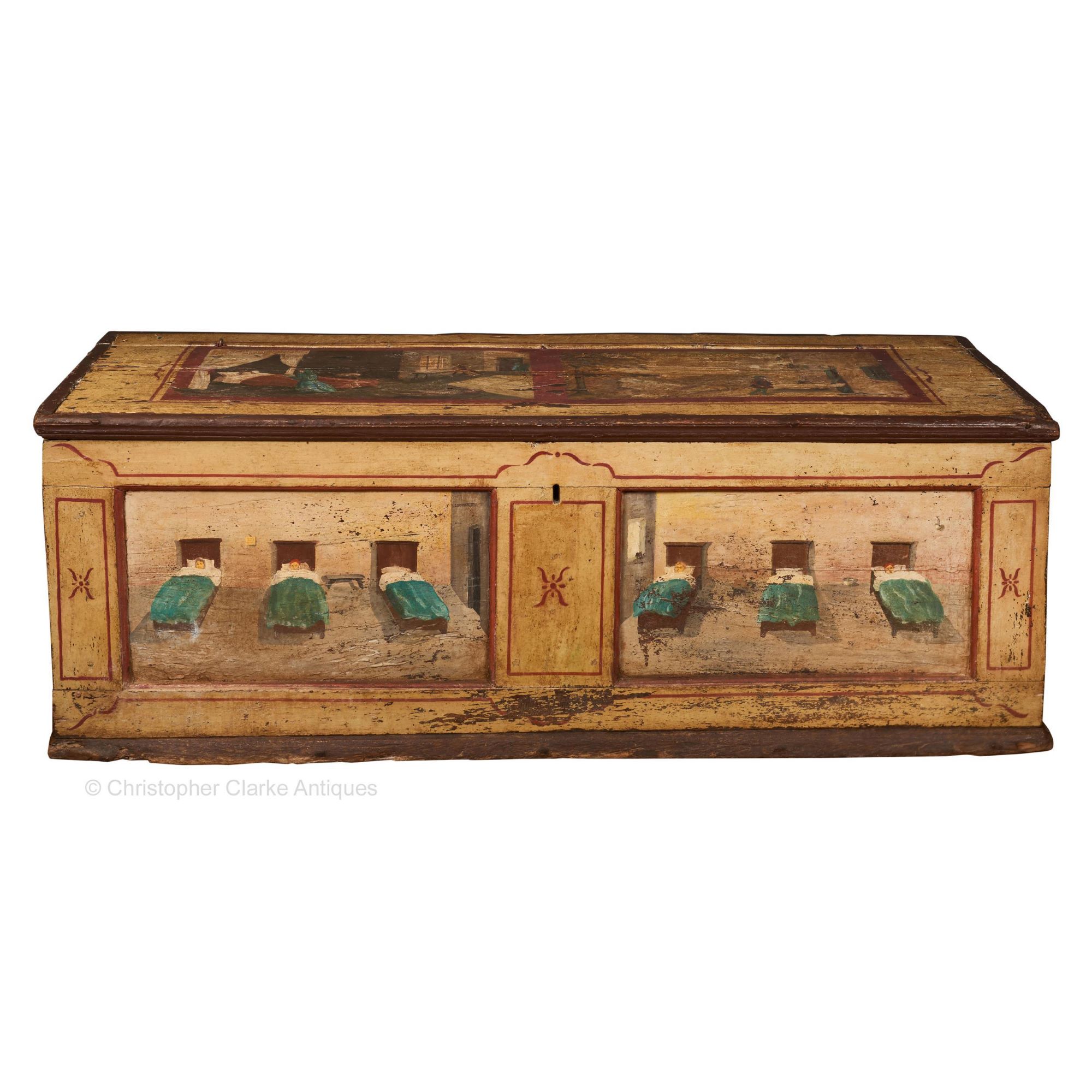
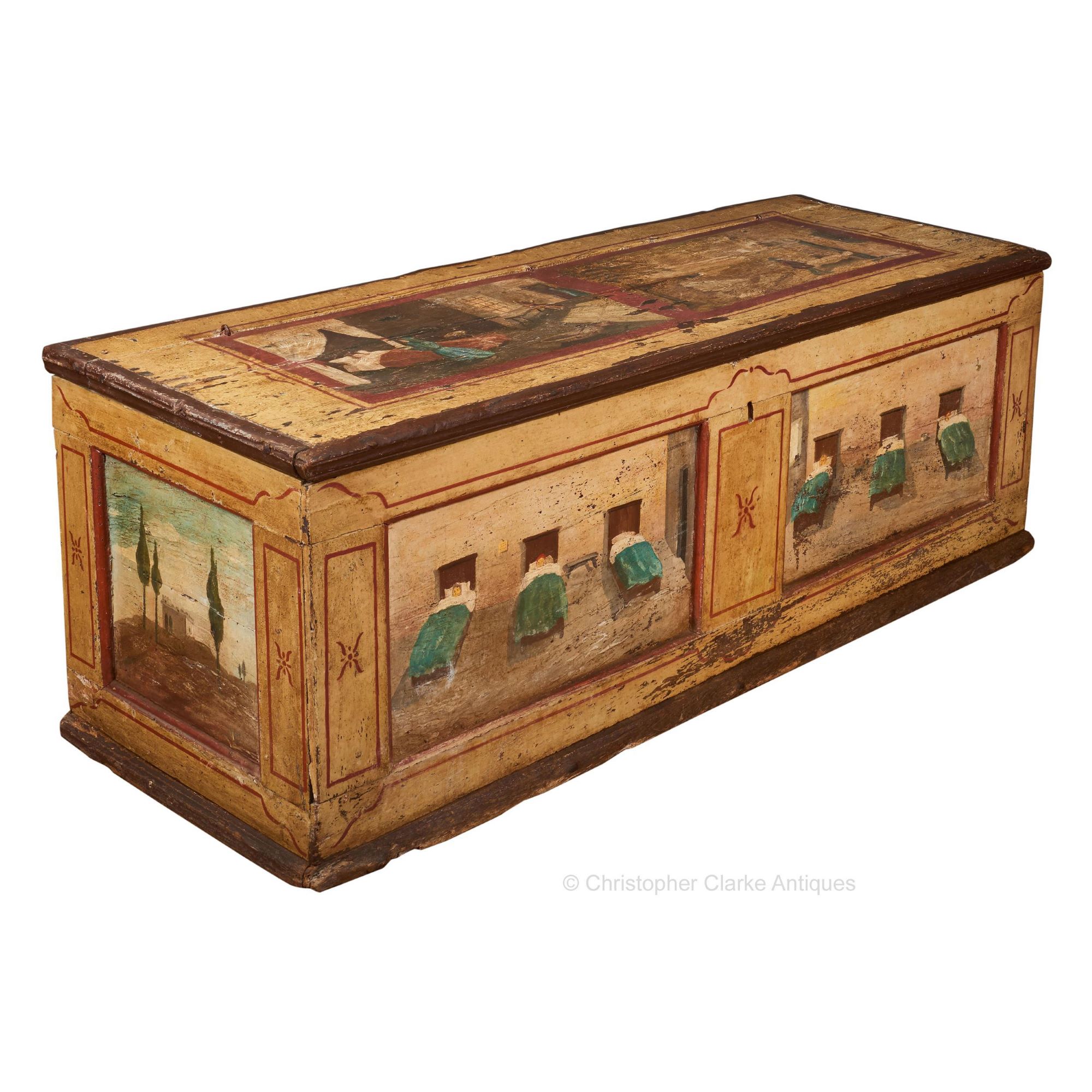
A large walnut chest painted with scenes that are highly likely to be Scutari Hospital during the Crimean War.
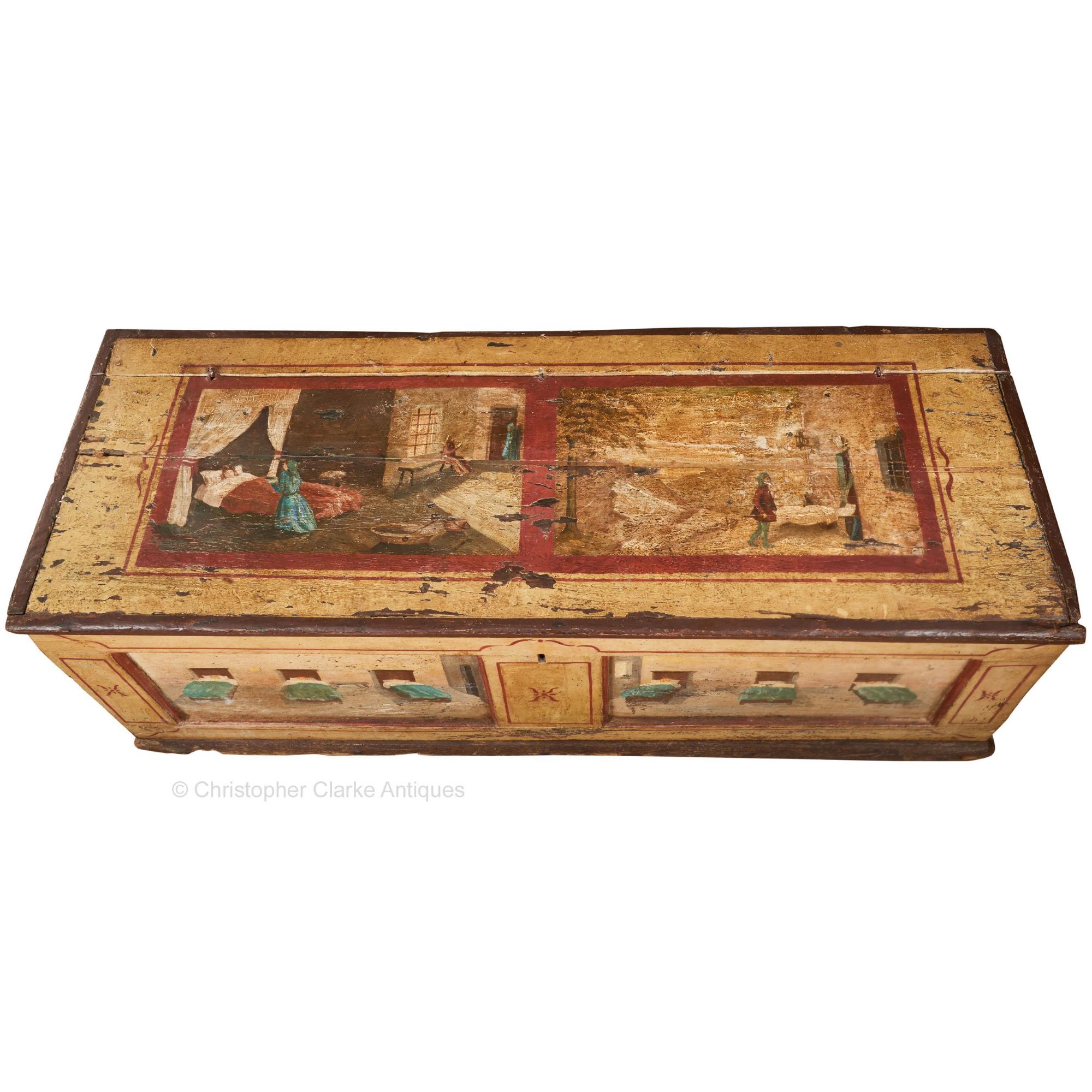
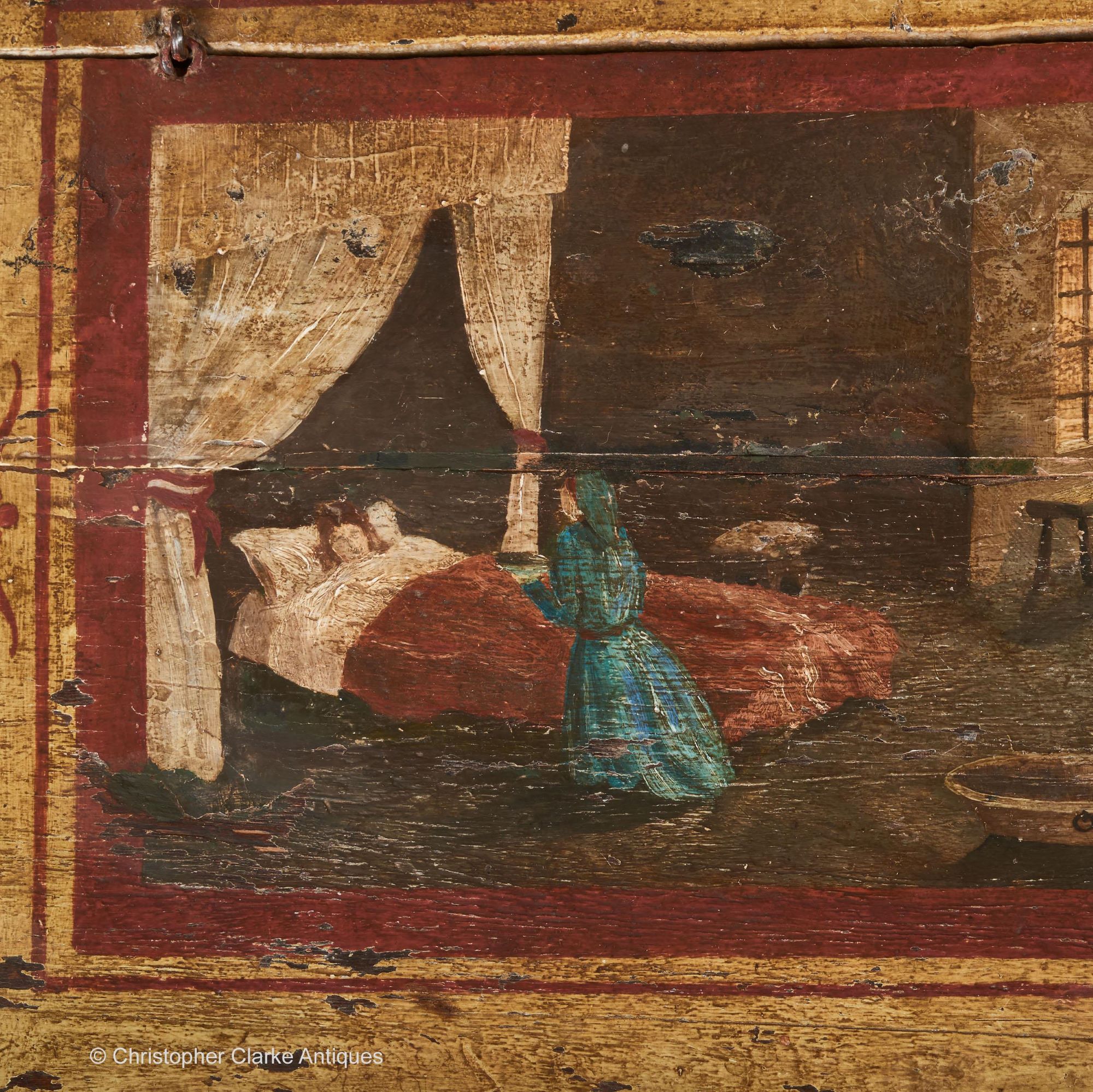
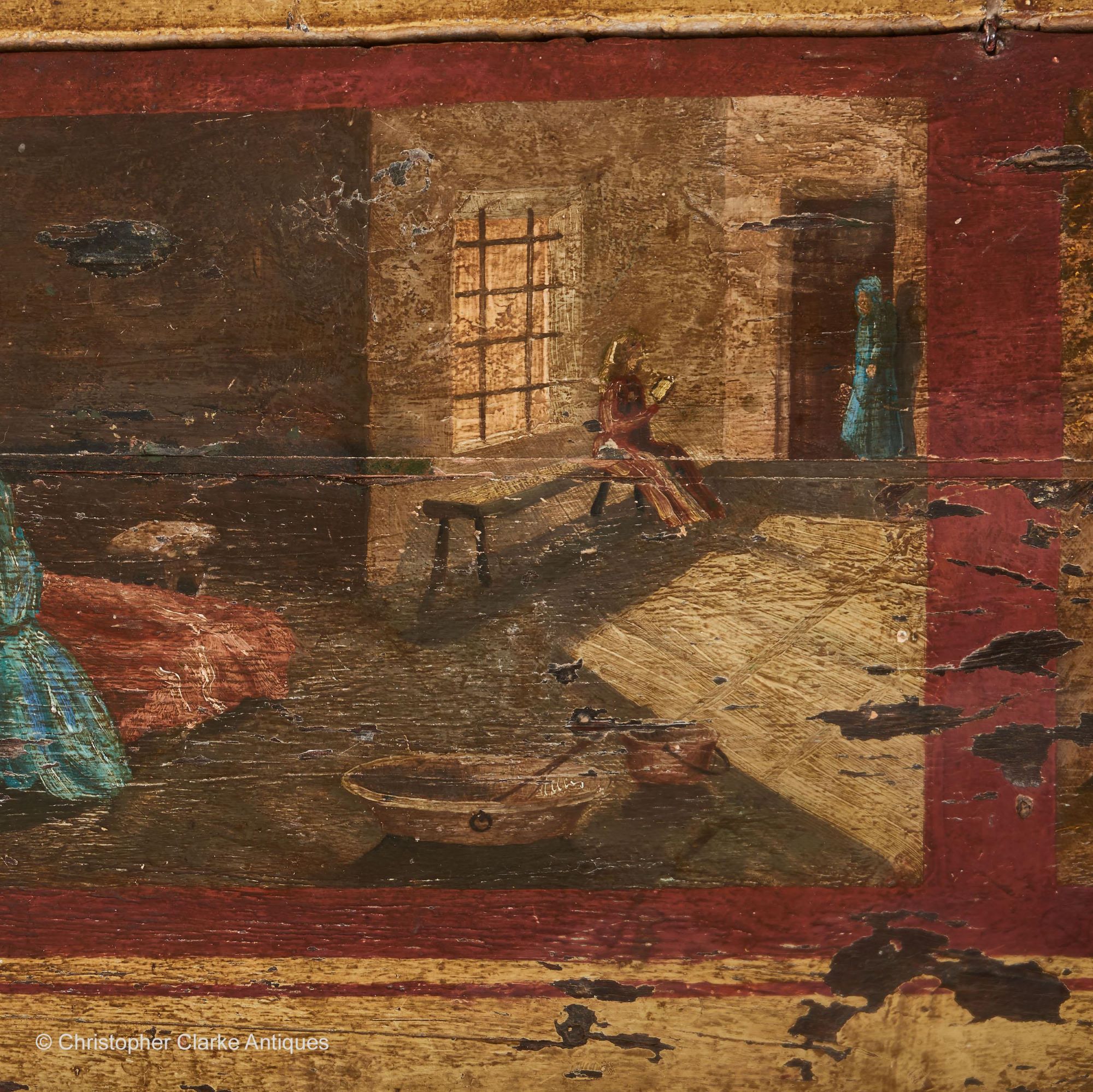
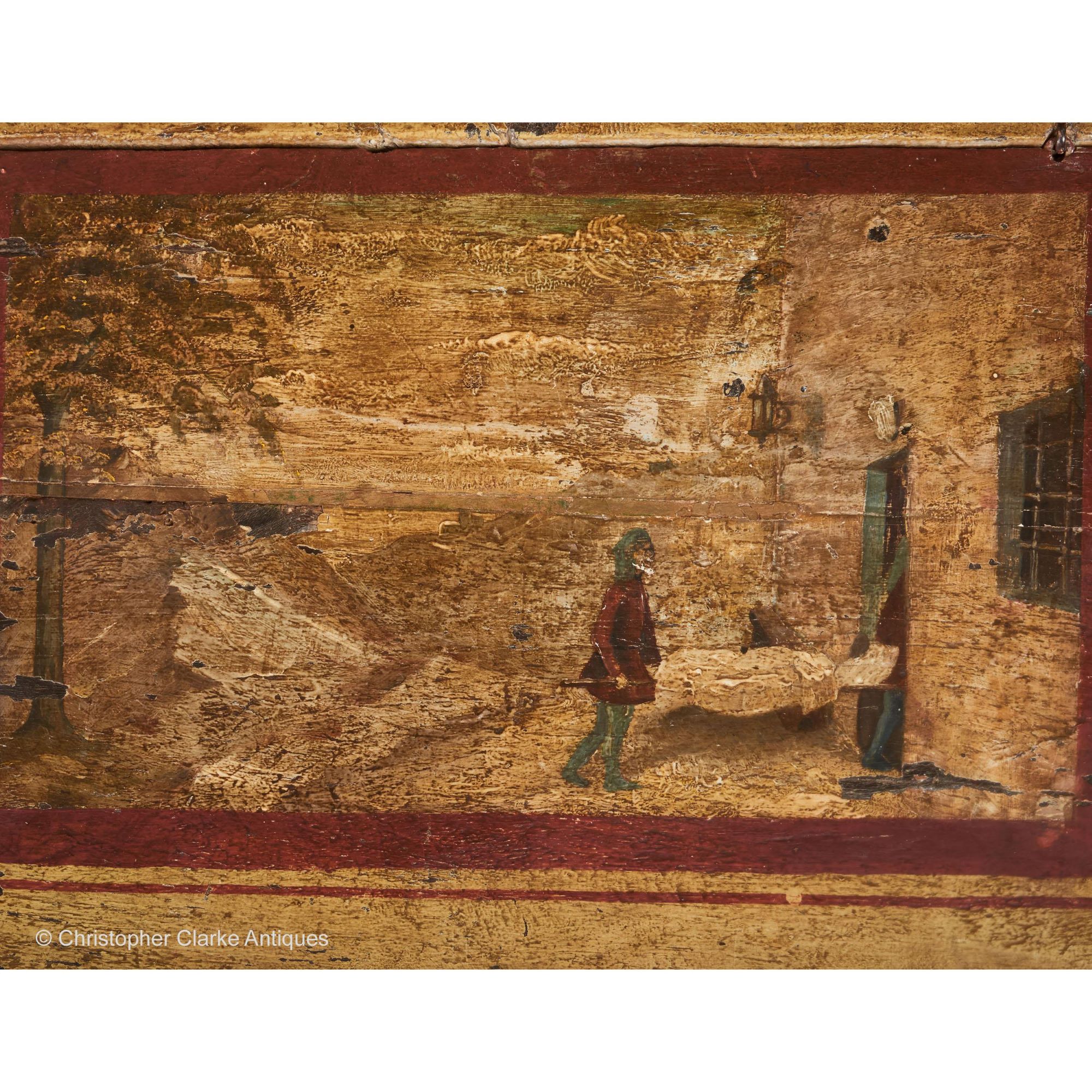
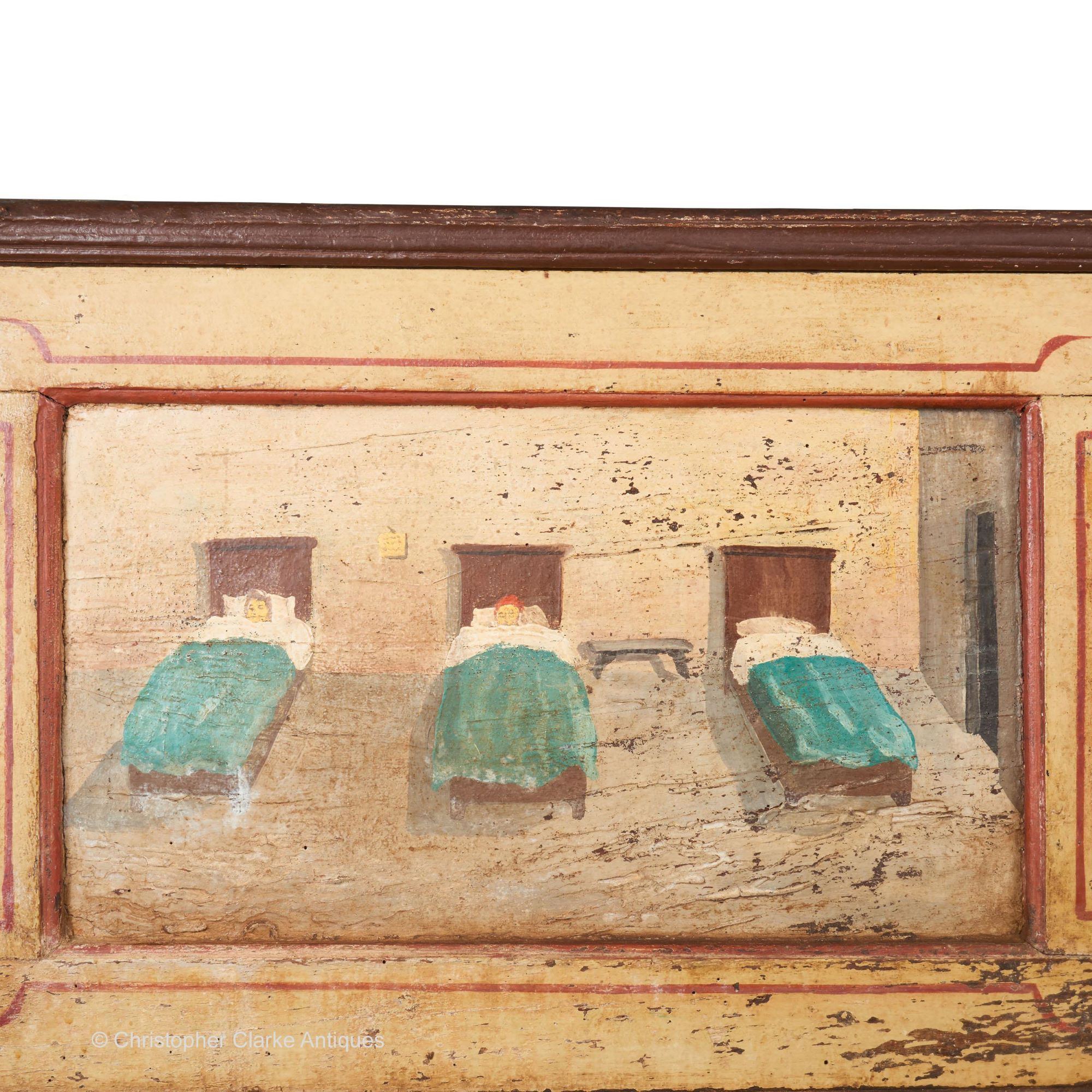
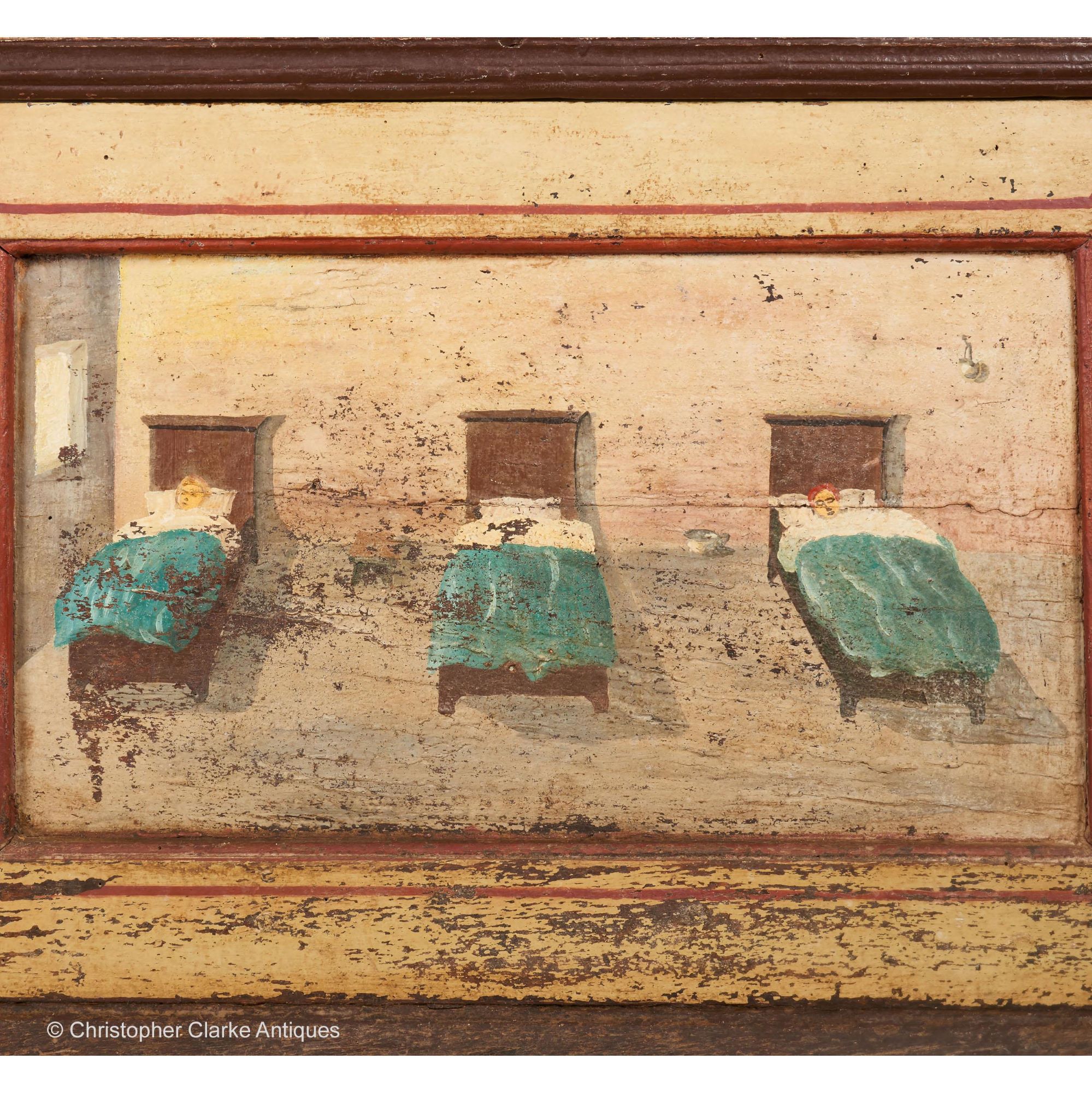
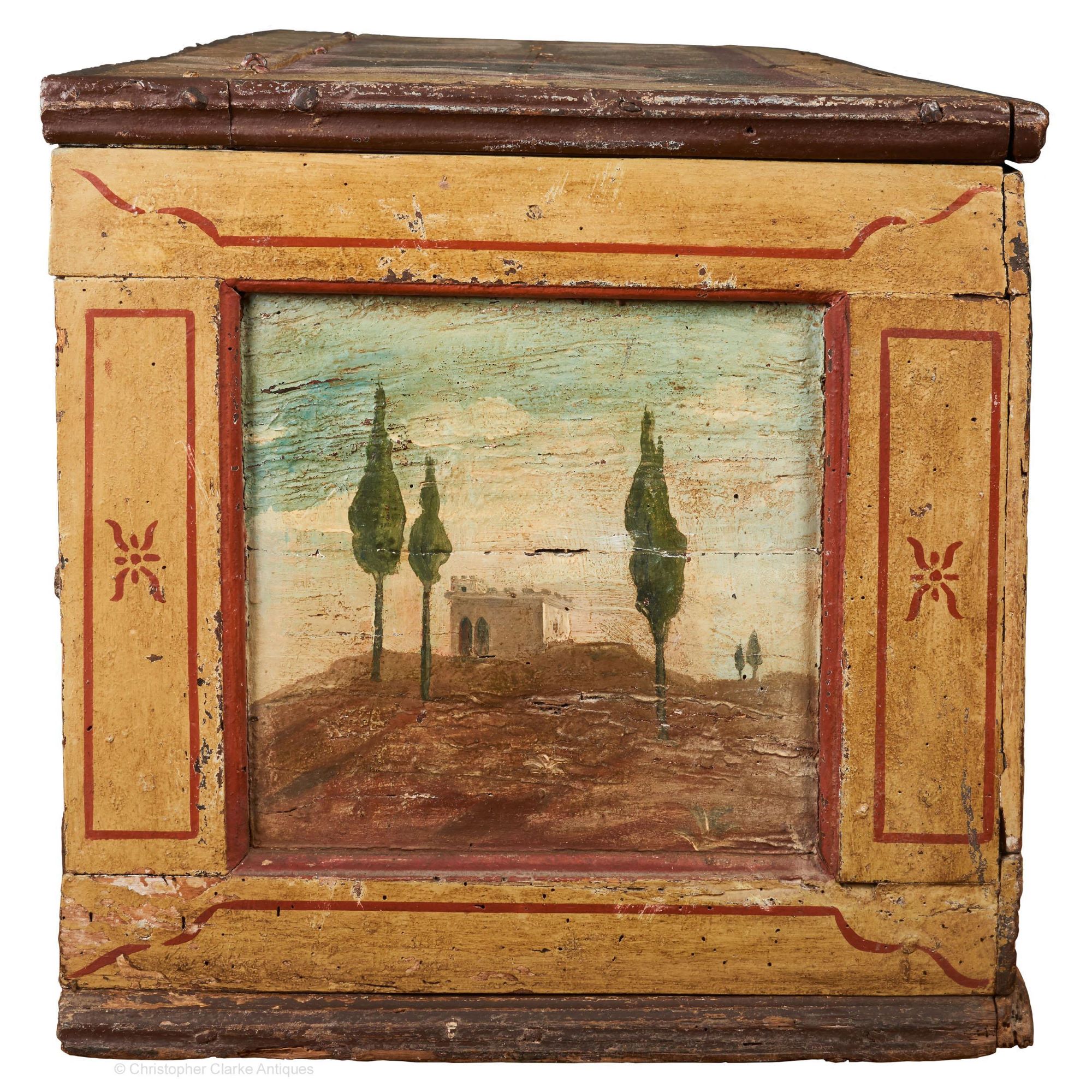
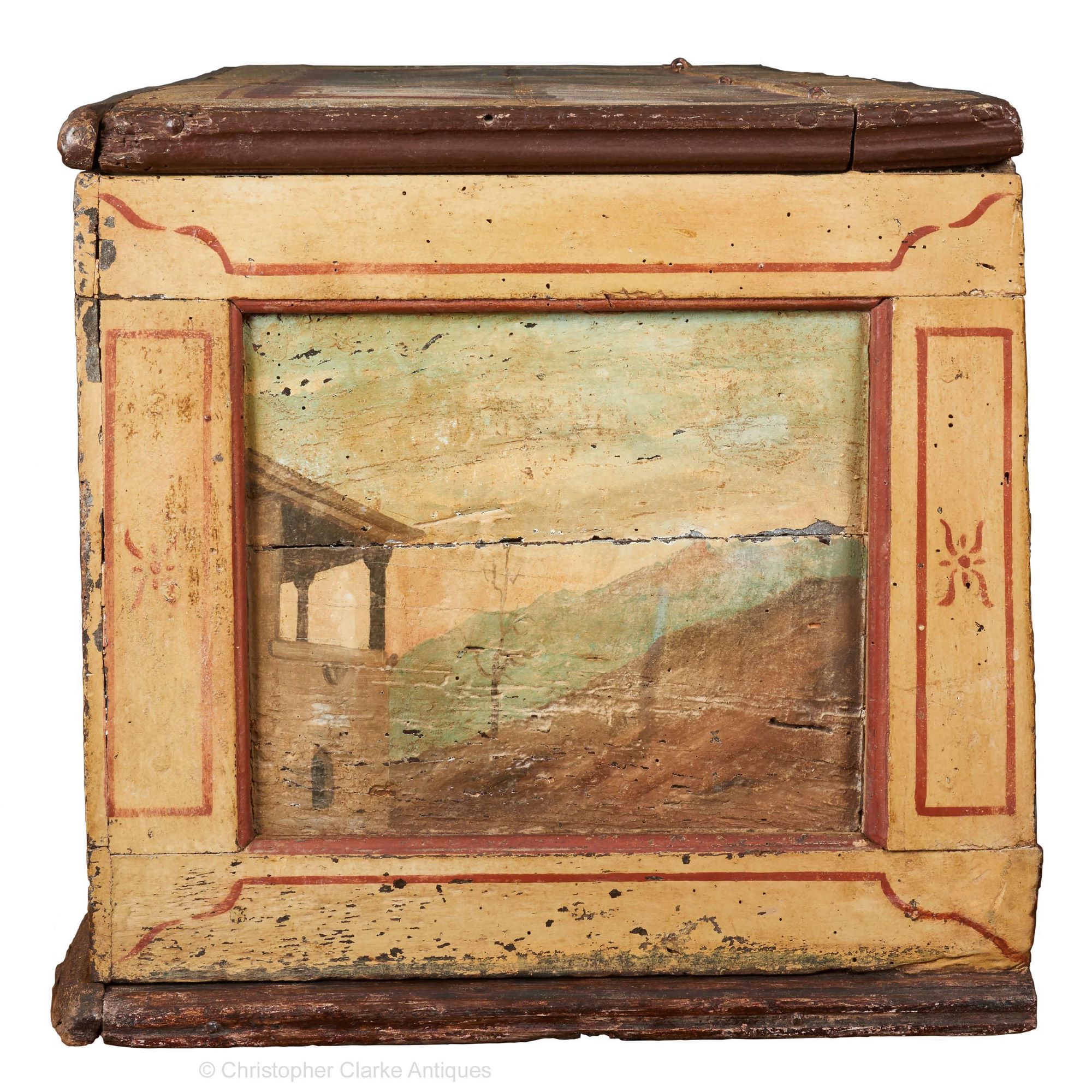
The Trunk is painted with 6 different panels to the top, front and both sides with the back left plain. The scenes illustrated show both the inside of the hospital with patients in their beds and the landscape around the building. The top is painted to one panel with a nurse at the bedside of a patient, with a hip bath to the foreground, another nurse at the door and a second patient reading on a bench in front of the window. To the other panel two orderlies are shown carrying a patient on a stretcher into the building. To the front, each panel shows a row of three beds with two occupied. The end panels each show a view of a square tower in a hilly landscape with trees.
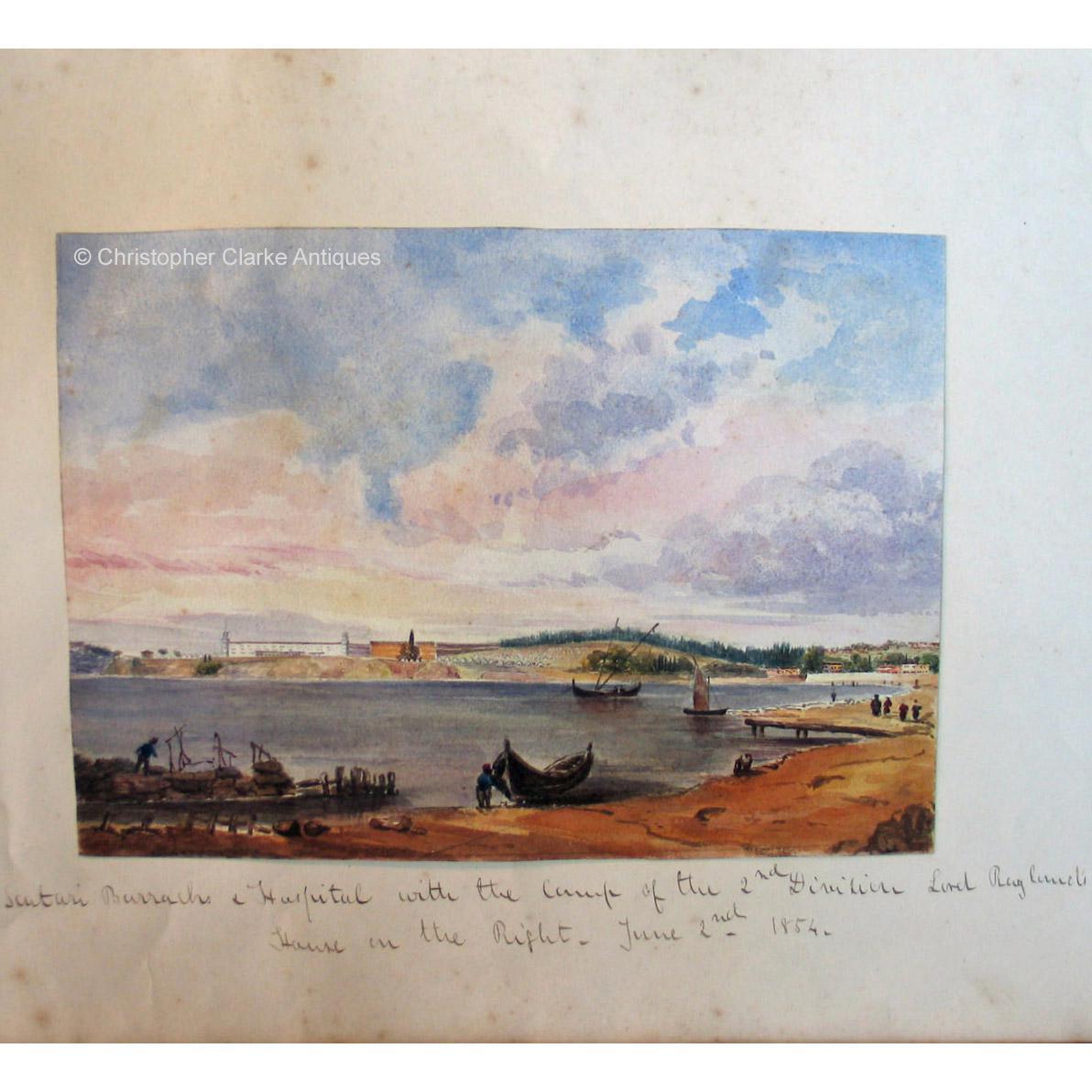
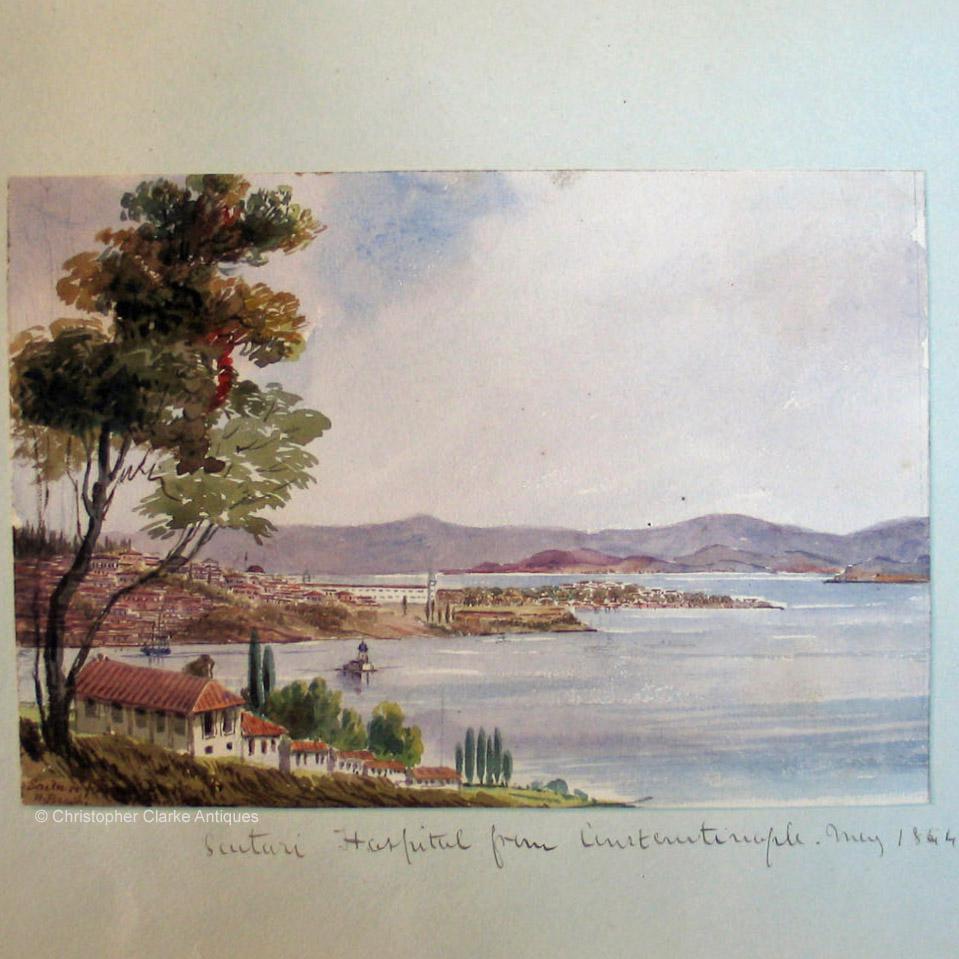
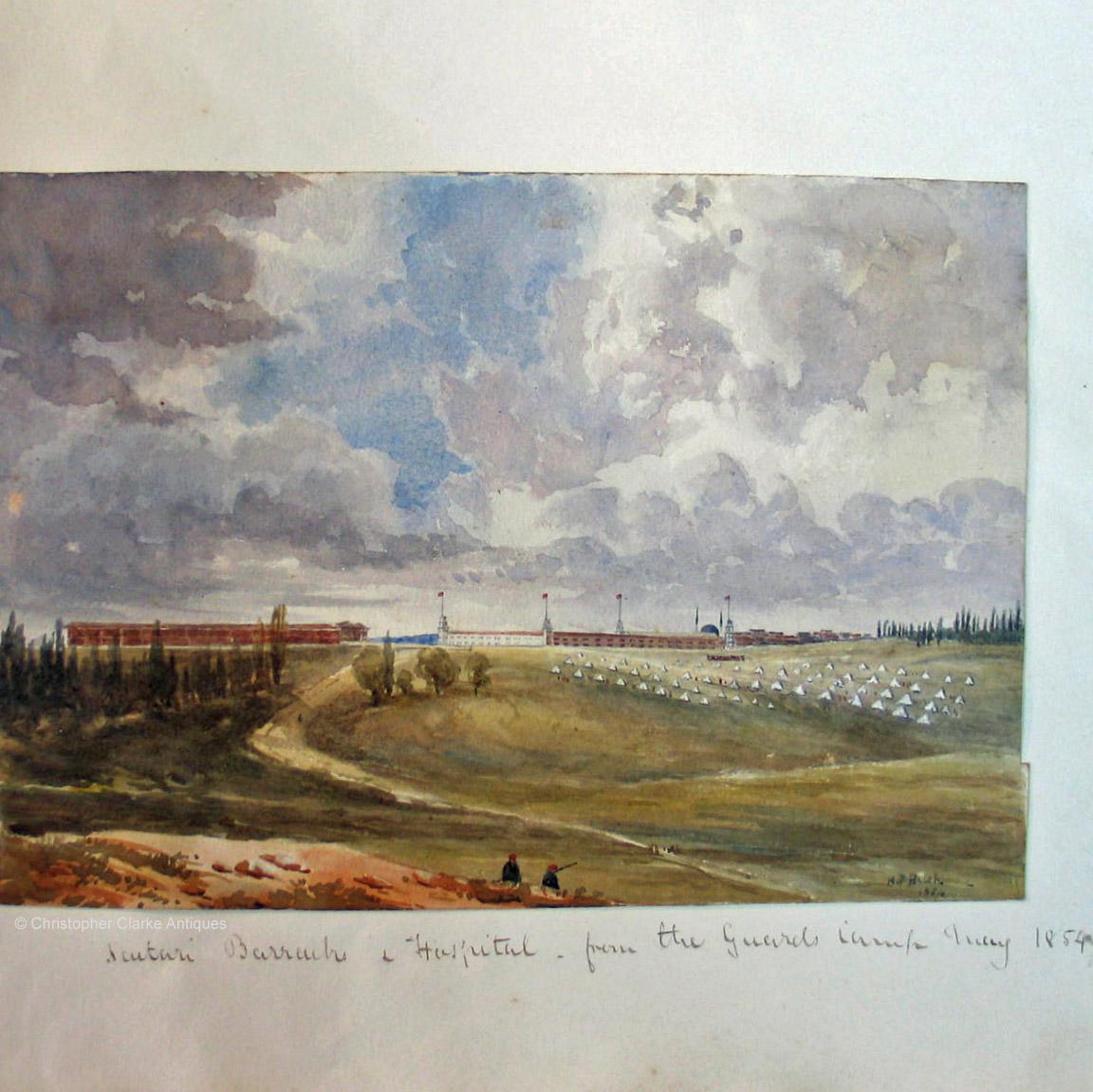
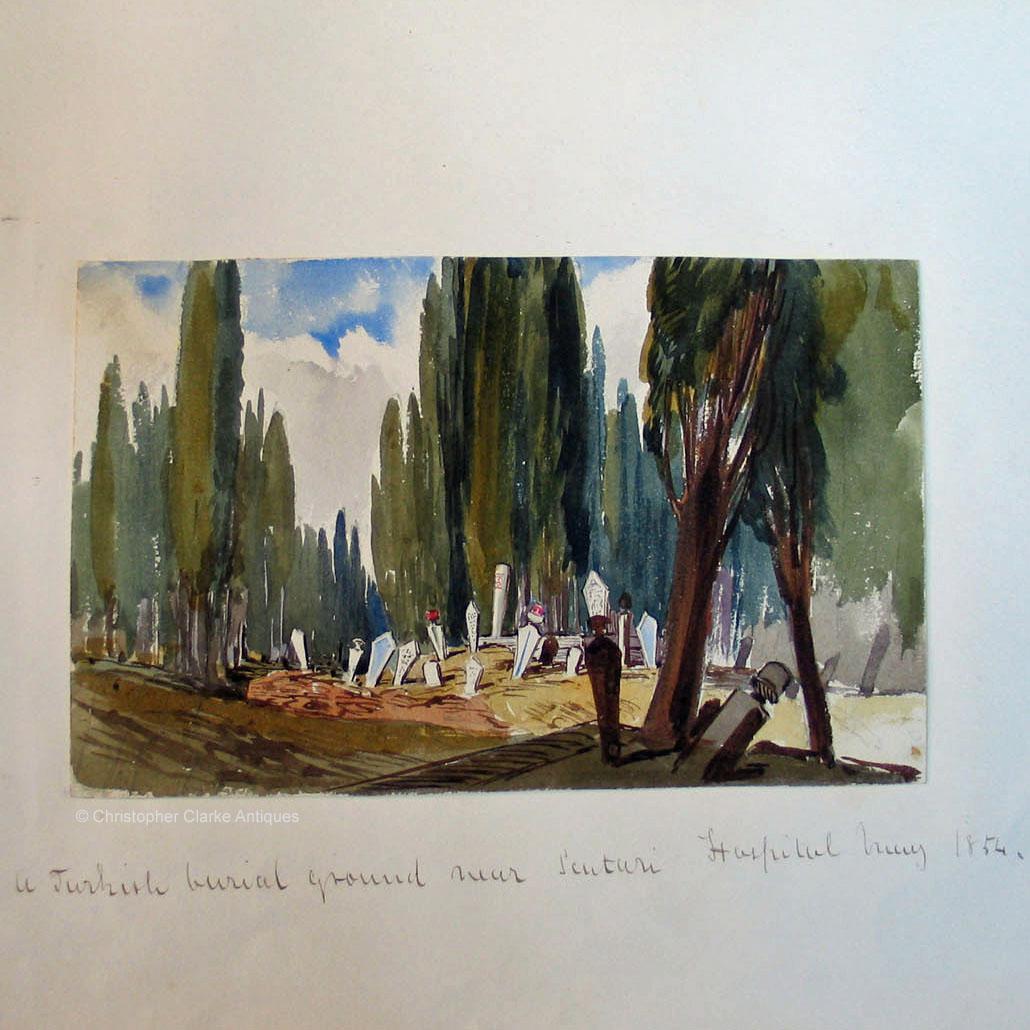
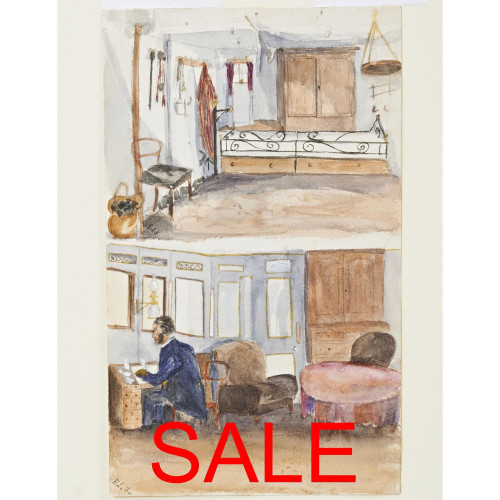
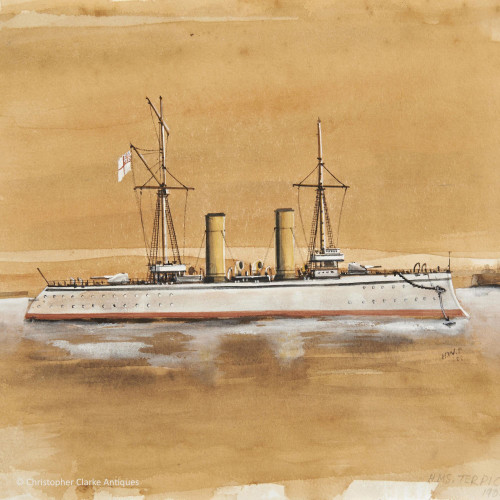
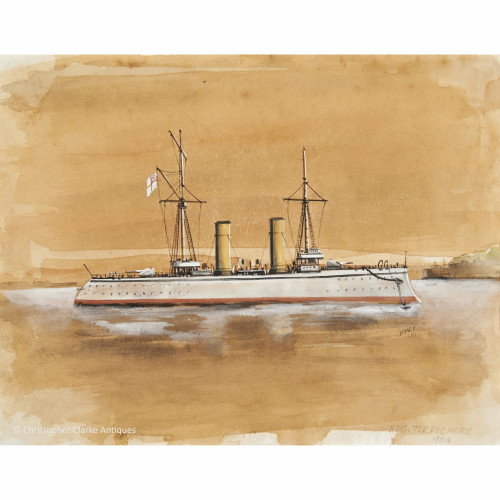
We have previously had a number of amateur watercolours by Henry Stratton Bush, an officer in the 41st (The Welch) Regiment of Foot, who served in the Crimea and painted the hospital amongst other scenes in 1854. The landscape and architecture are very similar to that on this trunk. Bush's watercolours are shown for illustrative purpose only and are no longer available.
Florence Nightingale arrived at the Barracks Hospital in Scutari on the 4th November 1854 with 38 nurses. The hospital was built over a leaking sewer, was overcrowded and infested with vermin and lice. More soldiers were dying from disease than battle wounds. Despite resistance from the Army's doctors, Nightingale and her team quickly improved matters by focusing on hygiene and sanitation. The hospital was scrubbed clean, a laundry and a kitchen for patients was set up and a fund organised by The Times was used to buy much needed basic supplies. Aside from improving conditions, the nurses offered a great deal of care to the patients whether it was simply washing them or writing letters for them to send home. Florence was tireless in her work earning the name The Lady With The Lamp as she worked through the night looking after the many patients that the army was not set up to provide proper care for.
It is probable that this trunk was painted by a convalescing soldier to help pass the time as he was recovering. He was obviously struck by the Florence's vast improvements to the conditions and painted what he saw in front of him. The beds are shown with space around them whereas previously they had only a foot between them, nurses are shown caring for patients, and a general sense of order and calmness is portrayed in contrast to the conditions the hospital previously worked under. The painting is very naïve. The artist has sought to show light and shade but there is little detail to the faces or the furniture etc. Around the six panel scenes, the trunk is painted in a cream with red decorative frames, lines and motifs.
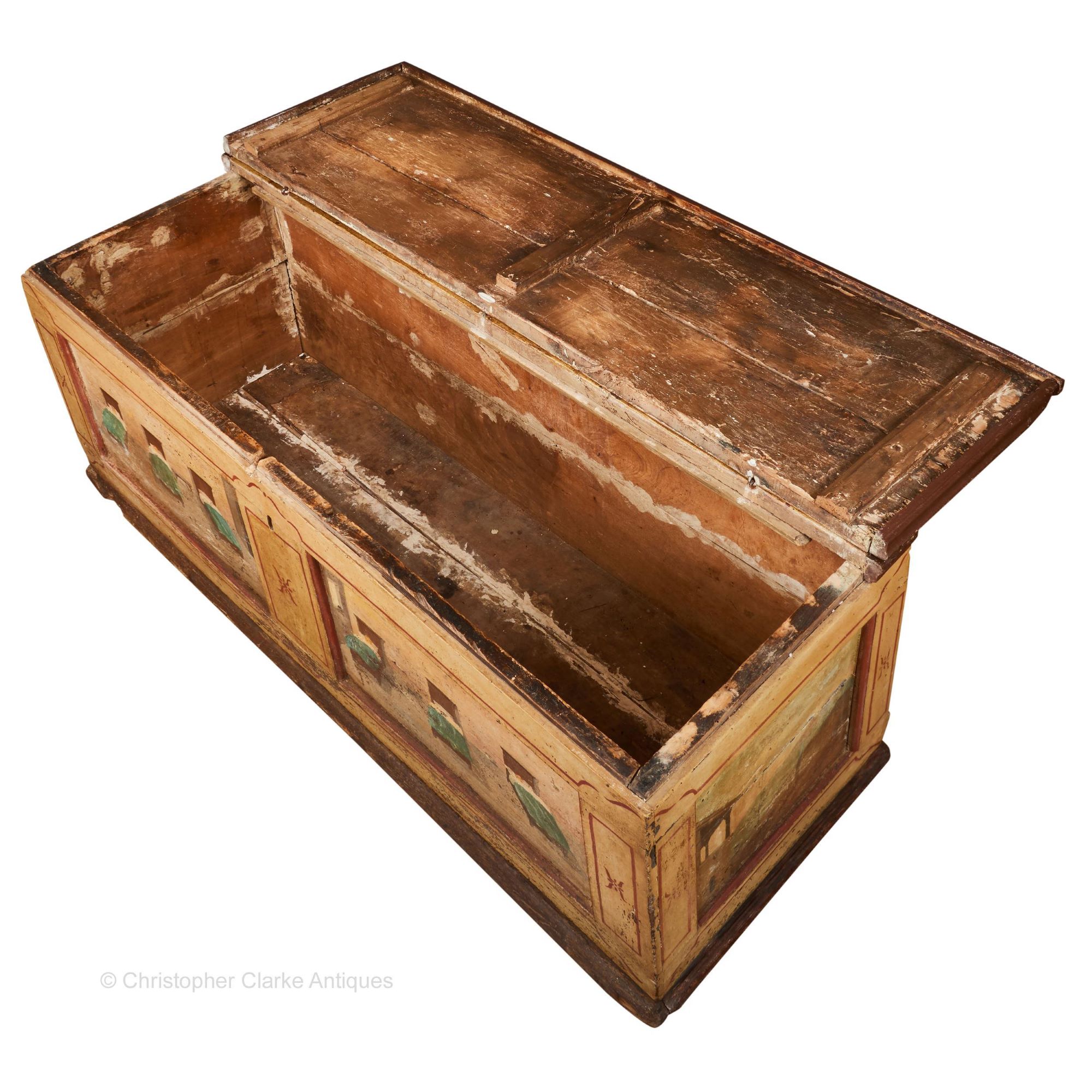
The trunk does not appear to be English and may have been bought locally or from a French officer or perhaps appropriated by some other means. It could be described as country made rather than from a city cabinet maker. It has applied mouldings to the lid and base with 3 bars to the underside of the lid to strengthen its 2-board construction. The lid is fixed to the base with 3 simple snipe or cotter pin hinges. Given the rustic nature of the construction and the fact that the artist probably had limited materials to work with, it is perhaps not surprising that there are splits to the wood and wear to the paintwork. The photographs provide a good illustration of this.
The trunk is a good size and although it could be described as a work of art it also has a practical use for storage. The trunk is much earlier than the paintwork which probably dates to between 1855 and 1856.
Dimensions:
1855-56
Painted Walnut
Naive Military Art
Some wear to trunk and paintwork
RELATED ITEMS
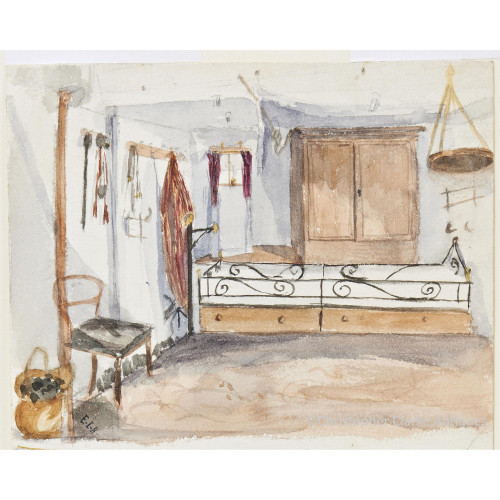







 Regiment of Foot, who served in the Crimea and painted the hospital amongst other scenes in 1854. The landscape and architecture are very similar to that on this trunk. Bush's watercolours are shown for illustrative purpose only and are no longer available. Florence Nightingale arrived at the Barracks Hospital in Scutari on the 4th November 1854 with 38 nurses. The hospital was built over a leaking sewer, was overcrowded and infested with vermin and lice. More soldiers were dying from disease than battle wounds. Despite resistance from the Army's doctors, Nightingale and her team quickly improved matters by focusing on hygiene and sanitation. The hospital was scrubbed clean, a laundry and a kitchen for patients was set up and a fund organised by The Times was used to buy much needed basic supplies. Aside from improving conditions, the nurses offered a great deal of care to the patients whether it was simply washing them or writing letters for them to send home. Florence was tireless in her work earning the name The Lady With The Lamp as she worked through the night looking after the many patients that the army was not set up to provide proper care for.It is probable that this trunk was painted by a convalescing soldier to help pass the time as he was recovering. He was obviously struck by the Florence's vast improvements to the conditions and painted what he saw in front of him. The beds are shown with space around them whereas previously they had only a foot between them, nurses are shown caring for patients, and a general sense of order and calmness is portrayed in contrast to the conditions the hospital previously worked under. The painting is very naïve. The artist has sought to show light and shade but there is little detail to the faces or the furniture etc. Around the six panel scenes, the trunk is painted in a cream with red decorative frames, lines and motifs.The trunk does not appear to be English and may have been bought locally or from a French officer or perhaps appropriated by some other means. It could be described as country made rather than from a city cabinet maker. It has applied mouldings to the lid and base with 3 bars to the underside of the lid to strengthen its 2-board construction. The lid is fixed to the base with 3 simple snipe or cotter pin hinges. Given the rustic nature of the construction and the fact that the artist probably had limited materials to work with, it is perhaps not surprising that there are splits to the wood and wear to the paintwork. The photographs provide a good illustration of this. The trunk is a good size and although it could be described as a work of art it also has a practical use for storage. The trunk is much earlier than the paintwork which probably dates to between 1855 and 1856.)